


Lip Wax Gallery
$$MultiPurposeText$$
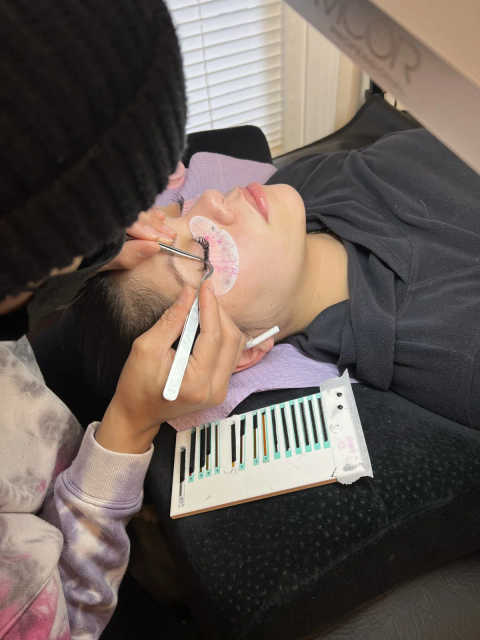
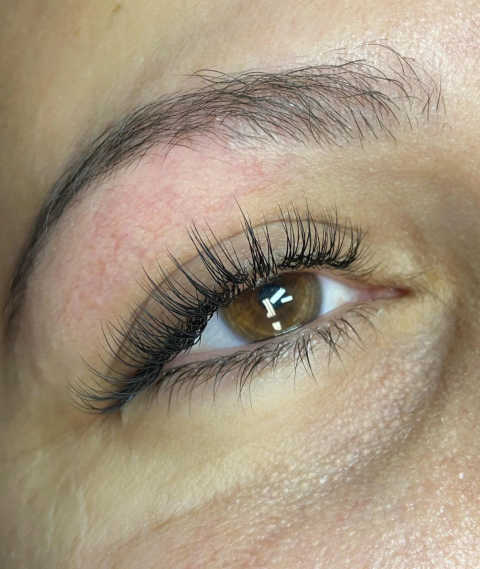
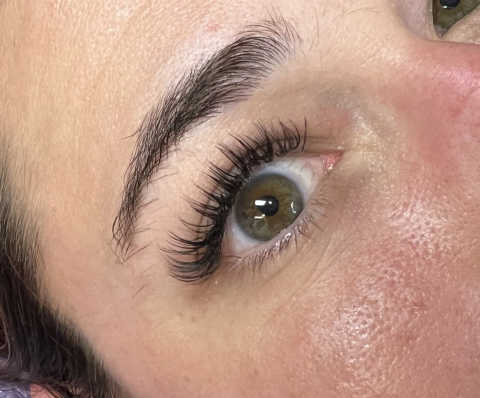
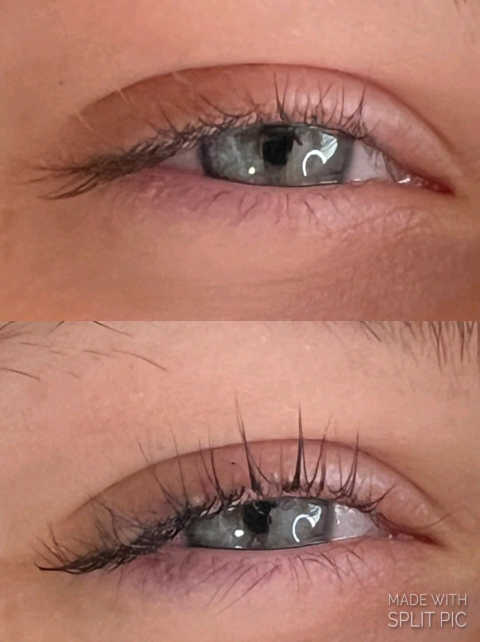
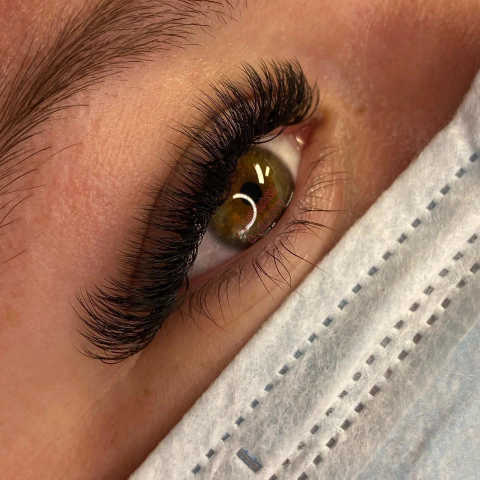
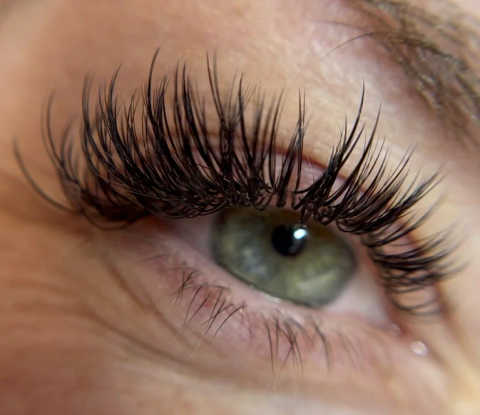
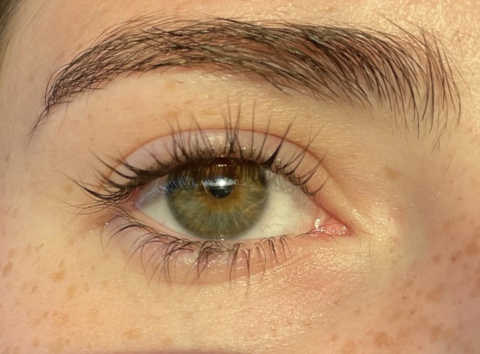
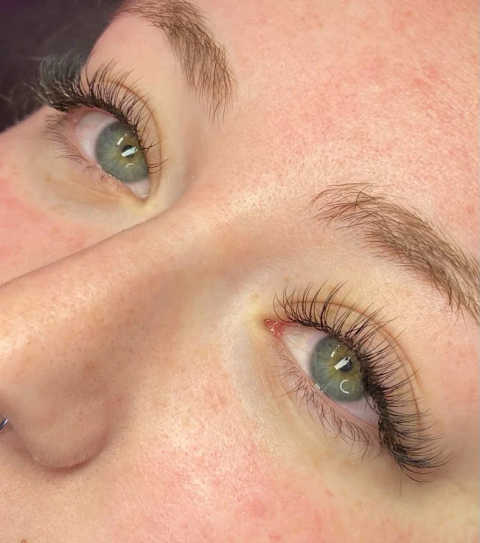
See examples of our Lip Wax work and results.
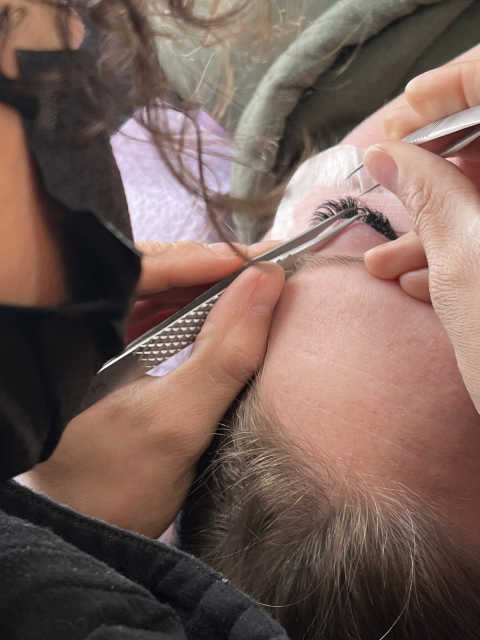
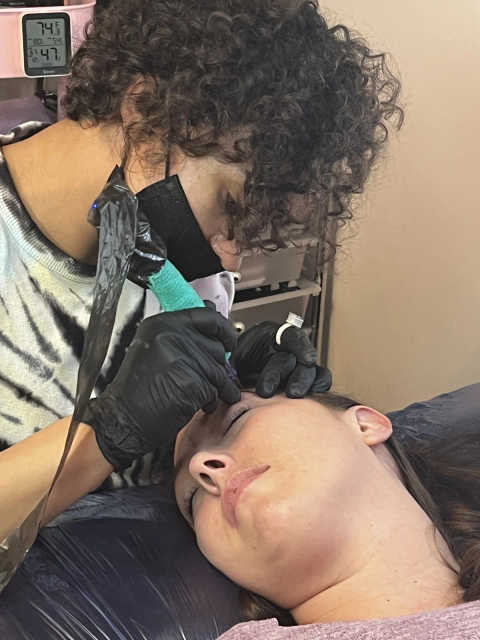
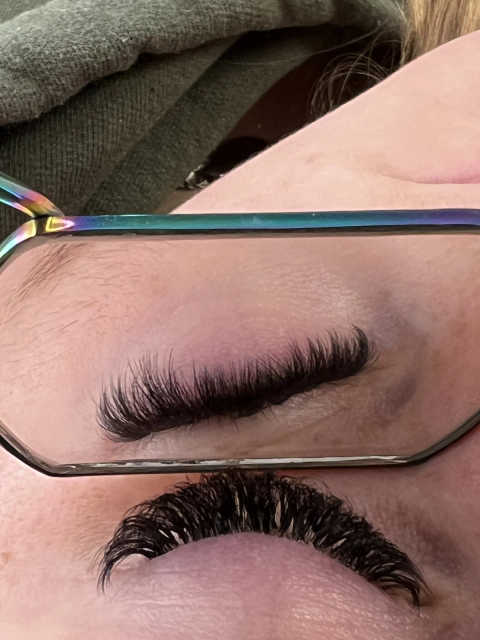
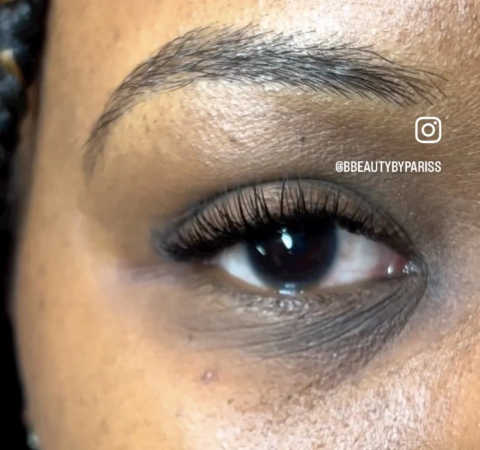







What Our Clients Say
$$MultiPurposeText$$
Read testimonials from our satisfied customers

Paris is AMAZING and her work is meticulous and beautiful. My brows and lashes are so stub...more

Paris was great!!!! Very easy to talk to and my lashes turned out great! Just how I asked ...more

I highly recommend going to see Paris for your lashes! I went for the first time to get my...more

I got my lashes done here by Paris. She was so kind and attentive during my appointment! S...more

Got a lash lift and tint and I am so happy with how it turned out! Paris is so great at wh...more

Easy to schedule, beautiful shop, and an amazing experience. It was my first time having a...more

Frequently Asked Questions
Get answers to common questions about Lip Wax.
Mild redness or sensitivity is common immediately after Lip Wax but usually subsides within a few hours to a day. We use gentle wax and techniques, and recommend cooling gel and avoiding heat or exfoliation for 24 hours to soothe skin.
Most clients enjoy smoothness for two to six weeks, depending on individual hair growth, hormones, and aftercare. Regular waxing prolongs results; scheduling every 3–6 weeks helps maintain a consistently smooth upper lip.
Yes—many with sensitive skin receive Lip Wax safely. We perform a patch test, use sensitive-skin wax and gentle technique. Avoid retinoids or topical acids before appointment, and inform your esthetician of any skin conditions or medications.
For best results, arrive with at least 1/4 inch of hair growth and clean, makeup-free skin. Avoid exfoliation and strong retinoids 48–72 hours before your appointment, and inform us of medications or skin sensitivities.
Discomfort is usually brief and manageable; many clients describe a quick sting followed by immediate relief. Your esthetician will use fast techniques, hold the skin taut, and can recommend topical soothing products or numbing options if you are especially sensitive.
Proper waxing technique reduces ingrown hair risk, but they can still occur. Prevent them by gentle exfoliation starting a few days after waxing, using non-comedogenic moisturizers, and avoiding tight fabrics or picking. Consult us if persistent ingrown hairs develop.